
A Practical Review Based on Real-World Usability
Meta Description
A detailed review of smart home appliances for elderly and disabled people, focusing on safety, accessibility, automation, and daily usability with trusted sources.
Overview
Smart home appliances have moved beyond convenience and now play a meaningful role in accessible and assisted living. During my review of various smart home technologies, I focused on how well these devices support mobility limitations, age-related challenges, and independent living.
This review evaluates smart home appliances based on ease of use, safety features, reliability, and long-term practicality for elderly and disabled users.
Voice-Controlled Smart Assistants
Voice-controlled systems form the foundation of an accessible smart home. Devices powered by Amazon Alexa and Google Assistant allow hands-free control over lighting, entertainment, temperature, and communication.
Their strength lies in reducing physical interaction with switches and screens, which is essential for users with limited mobility or joint pain.
External reference:
https://www.amazon.com/alexa
https://assistant.google.com
Internal link suggestion:
/voice-controlled-smart-home-devices
Smart Lighting Systems
Smart lighting improves visibility and reduces fall risk. Motion-activated lights and scheduled illumination remove the need to manually operate switches, especially during nighttime movement.
Lighting systems that integrate with voice assistants and automation routines provide consistent reliability and low maintenance.
External reference:
https://www.philips-hue.com
Internal link suggestion:
/smart-lighting-for-home-safety
Smart Door Locks & Video Doorbells
Smart locks and video doorbells support controlled access without physical keys. This is particularly useful for wheelchair users or elderly individuals who find door handling difficult.
Remote access features allow caregivers or family members to assist without constant physical presence.
External reference:
https://ring.com
https://august.com
Internal link suggestion:
/smart-home-security-devices
Fall Detection & Emergency Alert Devices
Fall detection technology remains one of the most important smart safety categories. Wearable and sensor-based systems detect sudden falls or prolonged inactivity and trigger alerts automatically.
These systems significantly reduce emergency response time and support independent living environments.
External reference:
https://www.apple.com/apple-watch/health
https://www.medicalguardian.com
Internal link suggestion:
/fall-detection-smart-devices
Smart Thermostats
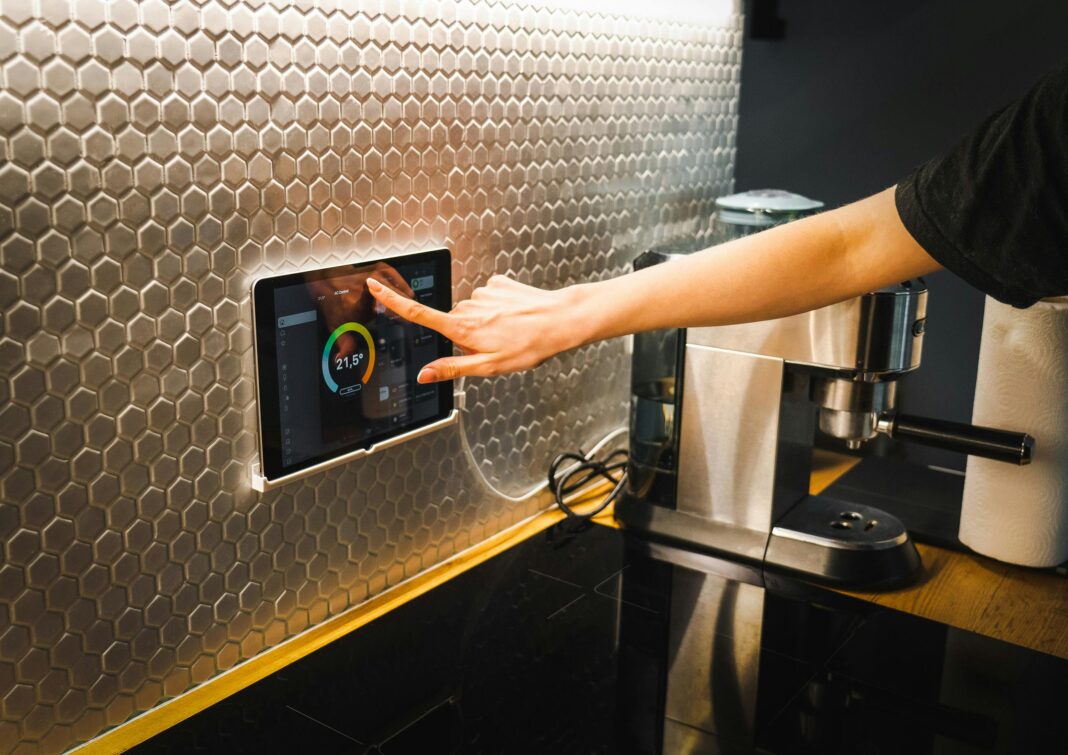
Smart thermostats maintain stable indoor temperatures without manual adjustment. Automated scheduling and voice control help elderly users avoid exposure to extreme temperatures.
Consistent climate control contributes to overall health and comfort, especially for users with chronic conditions.
External reference:
https://store.google.com/nest
https://www.ecobee.com
Internal link suggestion:
/smart-thermostats-energy-efficiency
Smart Medication Management Devices
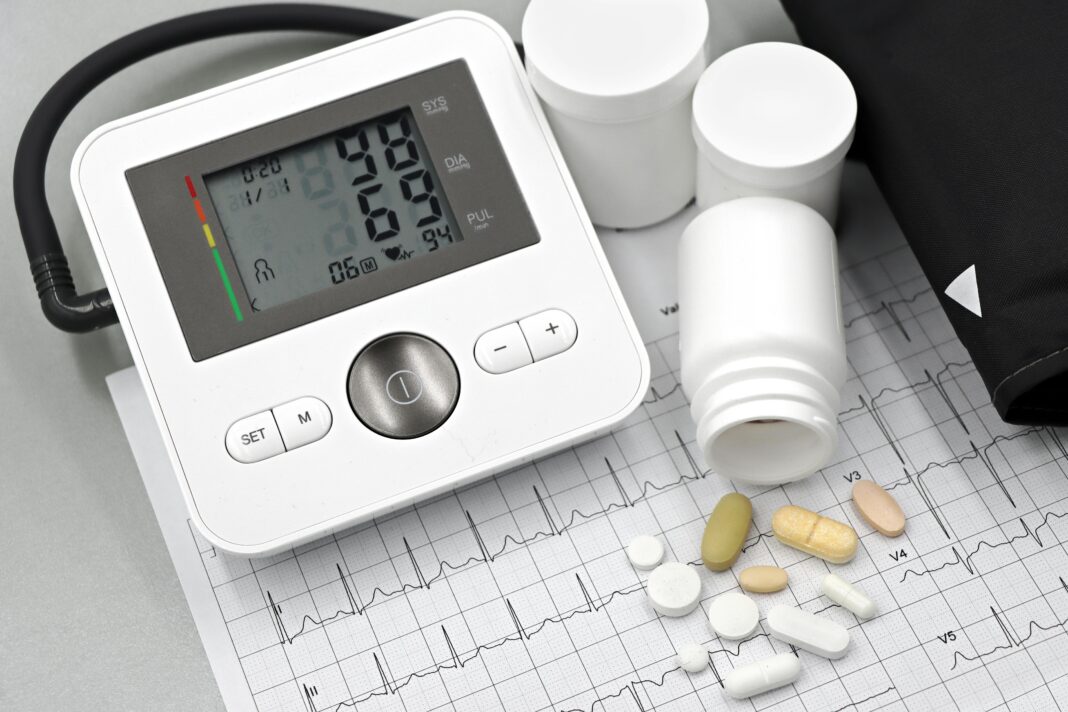
Medication management devices address one of the most common challenges in senior care. Automated dispensers and reminder systems ensure accurate dosing and notify caregivers when schedules are missed.
These systems reduce medication errors and improve adherence without constant supervision.
External reference:
https://www.herohealth.com
https://www.medminder.com
Internal link suggestion:
/smart-health-monitoring-devices
Robot Vacuums & Automated Cleaning
Robot vacuums reduce physical strain caused by manual cleaning. Scheduled operation maintains hygiene while eliminating bending, lifting, and repetitive motion.
Compact models are suitable for both small and large living spaces.
External reference:
https://www.irobot.com
https://www.ecovacs.com
Internal link suggestion:
/smart-cleaning-appliances-review
Smart Beds & Sleep Monitoring
Smart beds offer adjustable positioning and sleep tracking, which supports comfort and pressure management. These features are useful for individuals with limited mobility or chronic pain.
Sleep data can also assist caregivers in monitoring rest patterns.
External reference:
https://www.sleepnumber.com
Internal link suggestion:
/smart-health-tech-for-home
Smart Cameras & Monitoring Systems
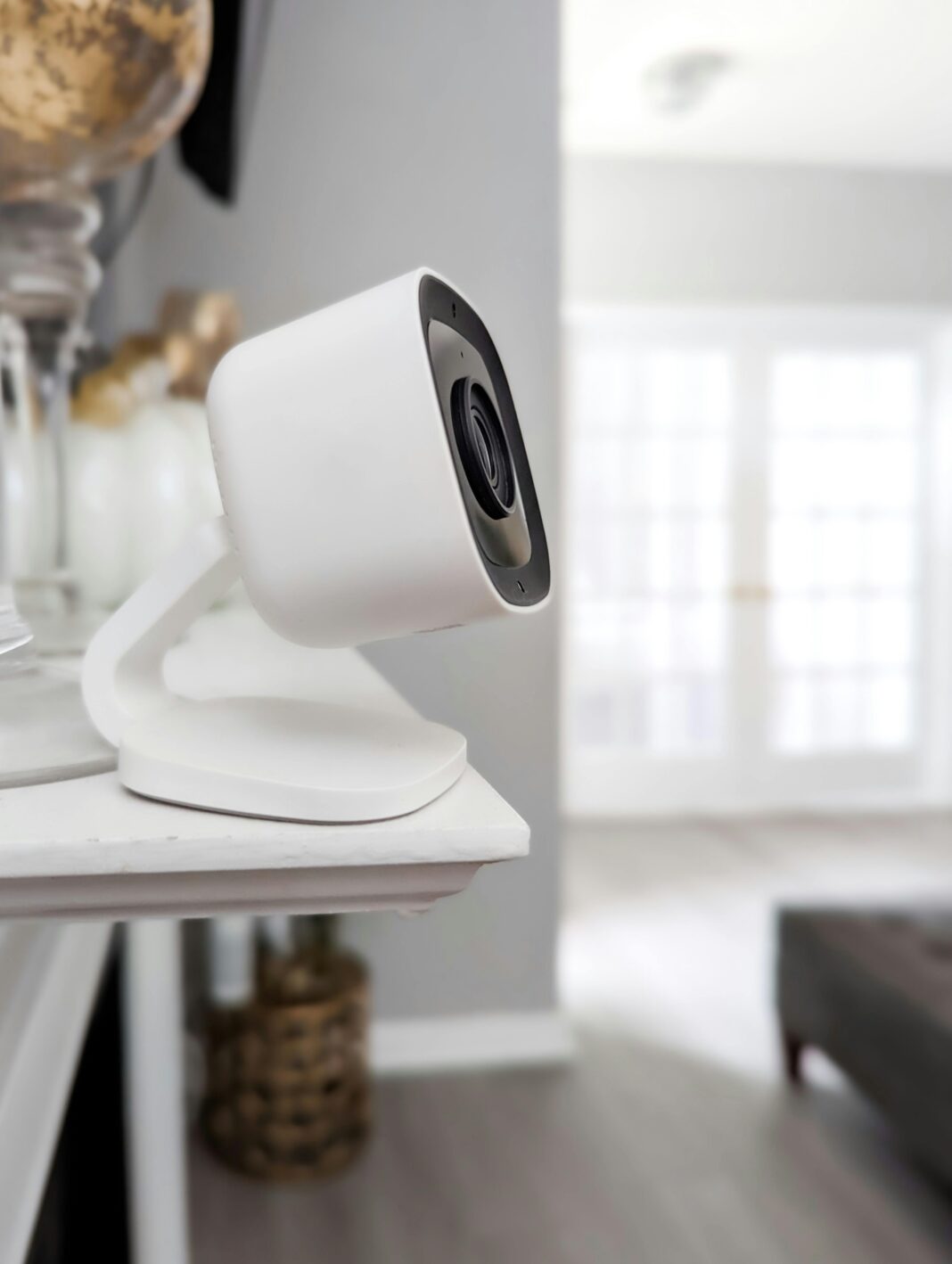
Indoor monitoring systems support safety checks without continuous physical supervision. Motion alerts and activity monitoring provide reassurance while maintaining personal independence.
When used responsibly, these systems complement caregiving rather than replace it.
External reference:
https://www.arlo.com
https://www.google.com/nest/cams
Internal link suggestion:
/home-monitoring-smart-systems
Home Automation & Routines
Automation connects multiple smart appliances into predictable routines. Lighting, locks, temperature, and alerts can operate together without repeated input.
This reduces both physical effort and cognitive load.
External reference:
https://www.apple.com/homekit
Internal link suggestion:
/smart-home-automation-guide
Review Summary
Based on functionality, accessibility, and reliability, smart home appliances provide measurable benefits for elderly and disabled users. These technologies support independent living, personal safety, and daily comfort without excessive complexity.
Well-integrated smart home systems serve as long-term accessibility tools rather than lifestyle upgrades.